Jaw Pain & TMJ Massage
Effective, individualized care to address jaw pain, clicking, and tightness while supporting overall head, neck, and facial health.
-
The Temporomandibular Joint (TMJ), or jaw joint, is a key structure that allows us to talk, eat, and make everyday facial movements. Unfortunately, TMJ disorders and dysfunction (TMJD) are common, affecting an estimated 1 in 10 to 20 adults in the U.S., and can impact daily life and comfort.
Common TMJD symptoms include:
Headaches
Teeth clenching or grinding
Neck, shoulder, or back pain or tension
Tired or fatigued facial muscles
Clicking or popping when opening or closing the mouth
Tinnitus (ear ringing) or ear discomfort
Jaw pain or tension
Difficulty opening or closing the mouth
Facial pain or swelling
The causes of TMJD are often multifactorial, including head or neck injuries (like whiplash), bruxism (teeth grinding or clenching), forward head posture, stress, or arthritis in the joint. TMJD pain is generally classified into three types:
Joint damage – injury or structural issues within the TMJ
Arthritis – inflammation or degeneration of the joint
Myofascial pain – tension and discomfort in the muscles that control the jaw
-
Tension and tightness in the muscles around the jaw can directly affect jaw function. The muscles in the head and face control jaw movement and help keep the head and neck aligned. When these muscles are tense or not working properly, it can lead to jaw dysfunction, causing symptoms such as pain, clicking, popping, or difficulty opening the jaw.
Massage therapy techniques, like myofascial release and trigger point therapy, can help relax these muscles and restore proper movement. Key muscles involved include the masseter, temporalis, lateral and medial pterygoids, and the hyoid muscles.
By reducing muscle tension and improving blood flow, massage can also enhance jaw mobility and make everyday activities like chewing and speaking easier. Additionally, TMJ massage often helps reduce tension headaches, since tight muscles in the jaw, head, neck, and shoulders are commonly linked to this type of pain.
While massage may not resolve TMJD on its own, it can be a helpful part of a broader treatment plan. Jaw dysfunction has many possible causes, and combining massage with other therapies—such as physical therapy, acupuncture, dental appliances (like splints), or stress management—often leads to better relief and helps prevent symptoms from returning.
Regular massage, along with these other approaches, can provide both short-term relief and long-term improvements, supporting overall comfort and quality of life.
Please note:
- Intra-oral work is completely optional and will only be performed with your consent and comfort.
- If your jaw pain is new, sudden, worsening, or severe, or if you have specific concerns about structural damage or instability of the jaw joint such as ligament damage, we recommend consulting with your dentist prior to scheduling to rule out any dental or structural issues that may require medical attention.
-
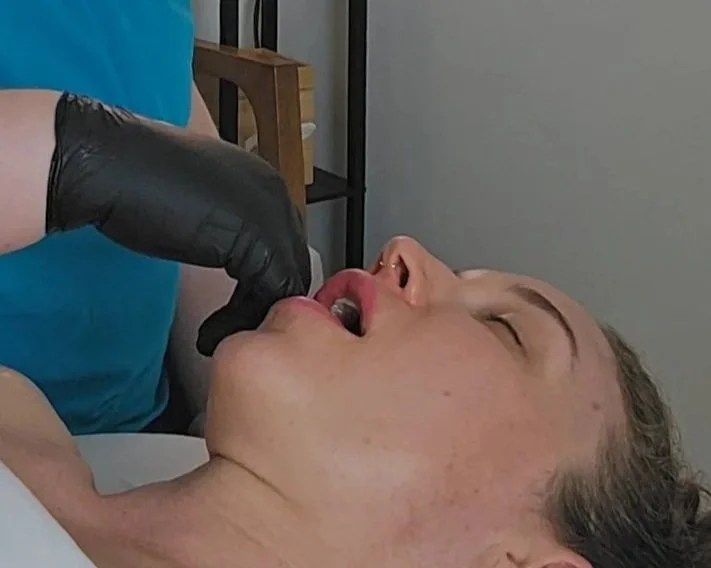
Intra-oral massage is a specialized technique where the practitioner massages the muscles inside the mouth. The therapist, using gloved hands, gently inserts a finger into the mouth to directly access and assess the muscles within. Certain jaw muscles, like the lateral pterygoid, can only be effectively reached from inside the mouth. Gentle pressure is applied to release tension, reduce tightness and muscle spasms, and alleviate pain or discomfort in the jaw muscles.
At Align Bodywork, we prioritize hygiene during intra-oral massage. This includes sanitizing hands before and after the session, wearing gloves, and the therapist wearing a mask while performing the techniques. We also use hand signals throughout the session to ensure clear communication and enhance client comfort.
Intra-oral massage requires additional written consent as part of the intake process (provided after booking), and consent can be withdrawn at any time, for any reason.
Intra-oral treatment cannot be done if there are any oral wounds, sores, or cuts in or around the mouth. If these are present, intra-oral treatment is postponed until they are completely healed. Treatment of the outside of the jaw, face, neck and other associated structures may be done depending on the extent and cause of wounds. We recommend contacting us prior to booking if these are present, in order to confirm appropriateness of massage while healing.
-
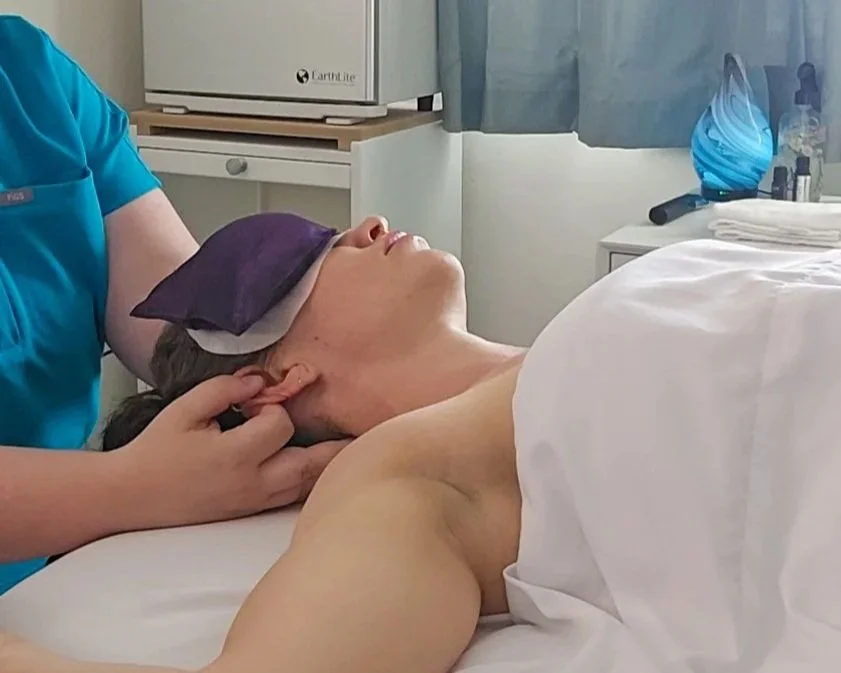
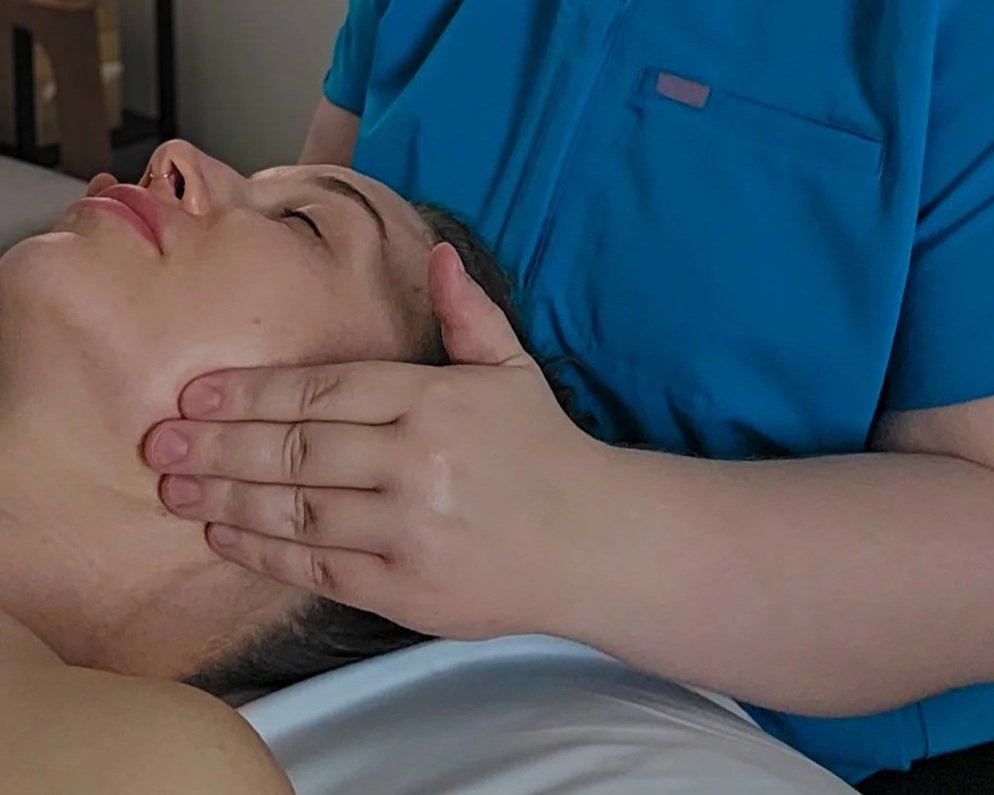
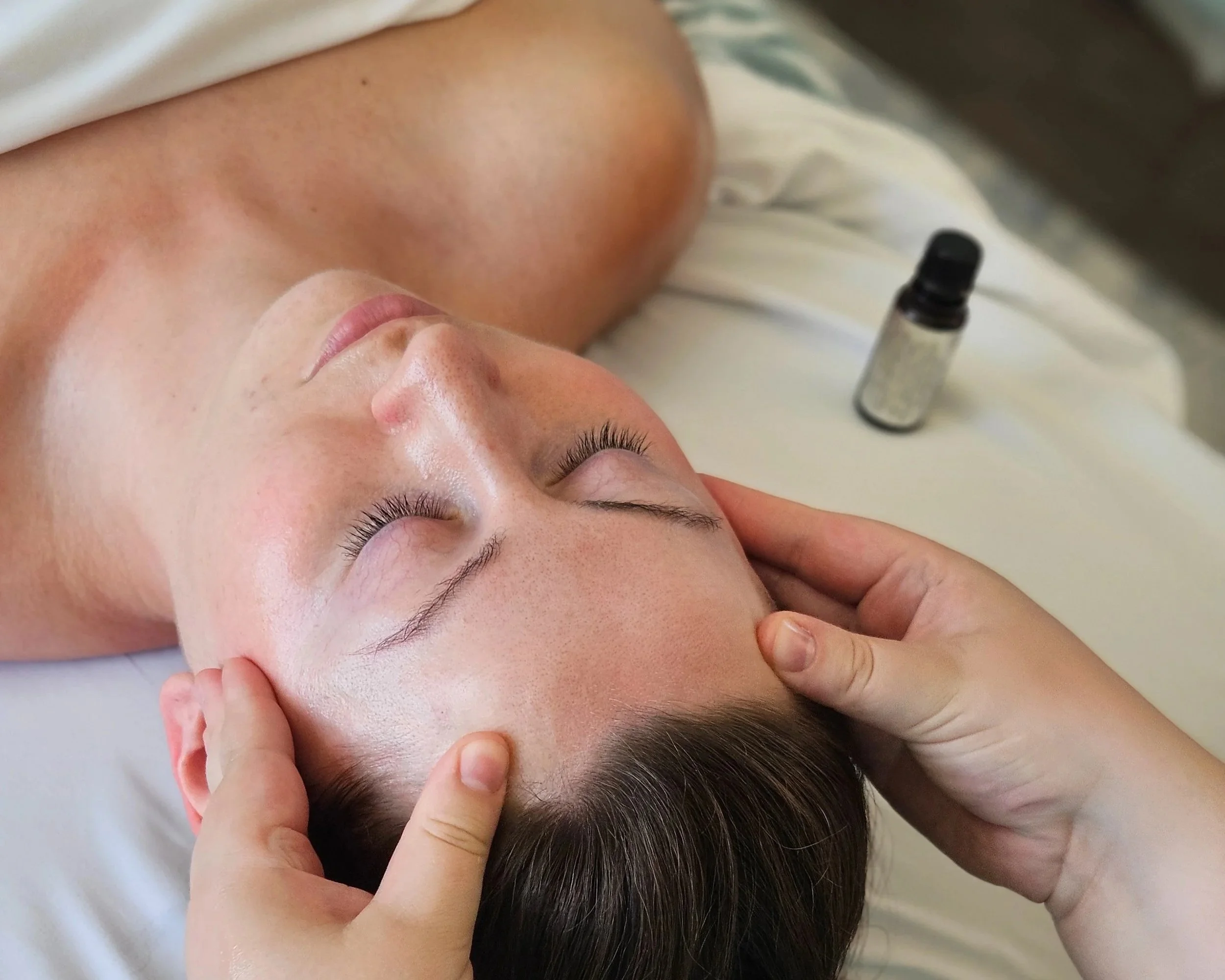
Every TMJ massage session is personalized to your needs, but many have a similar flow. Sessions usually begin with a discussion of your concerns, symptoms, health history, and a gentle assessment. This is followed by targeted, personalized massage to the jaw, face, and related areas like the neck, and shoulders. Intra-oral work is optional and always performed with your consent, using hand signals and breaks for comfort. The session concludes with a discussion of findings and recommendations for ongoing care.
-
After your session, your jaw and surrounding muscles may feel different over the next few days. Some clients notice immediate relief, others may feel mild tenderness or tension that gradually improves. Jaw muscles are often sensitive, so gentle communication with your therapist during the treatment regarding comfort, pressure, and pain/tenderness is important to reduce the chance of post-massage tenderness. Following at-home strategies and scheduling follow-up sessions can help maintain improvements in jaw pain and function.
We encourage all clients to contact us with any questions, concerns, or updates us after treatment.
If you experience sudden or worsening symptoms, a check-in with your healthcare provider is recommended to ensure there is not an underlying issue.